

Key Takeaways:
-
Photography accessories help protect your camera gear, improve organization, and make shooting more efficient in any situation.
-
Essentials like camera bags, tripods or stabilizers, spare batteries, and memory cards ensure you are always ready to shoot.
-
Lens protection, comfortable straps, and lighting tools improve image quality while reducing strain during long sessions.
-
The right accessories help photographers work faster, stay organized, and capture better photos with confidence.
Photography accessories play a critical role in protecting your camera gear, improving organization, and helping you capture better shots. From carrying and stabilizing your camera to managing power and storage, the right accessories make every shoot more efficient and enjoyable.
Whether you are a beginner or an experienced photographer, having the essential photography accessories ensures you are prepared for different shooting conditions and creative opportunities.
Essential Photography Accessories for Your Gear
If you are just starting out or already have a full camera kit, the right accessories make shooting easier and more efficient. They protect your gear, help you stay organised, and ensure you are ready for any situation.
This guide covers the most important photography accessories, including camera bags, stabilizers, batteries, memory cards, and lens protection, to help you stay prepared and organized on every shoot.
1. Camera Bags and Slings
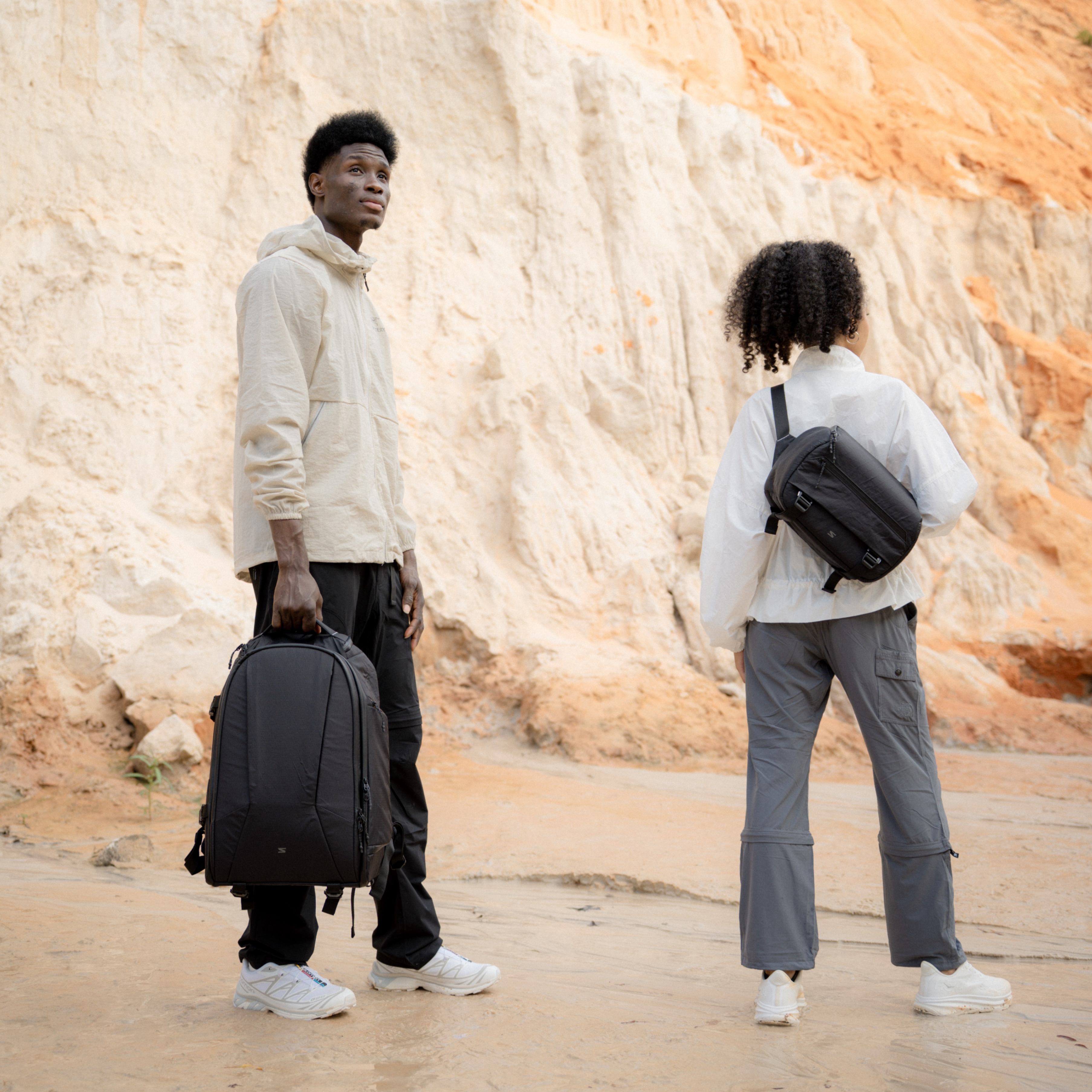
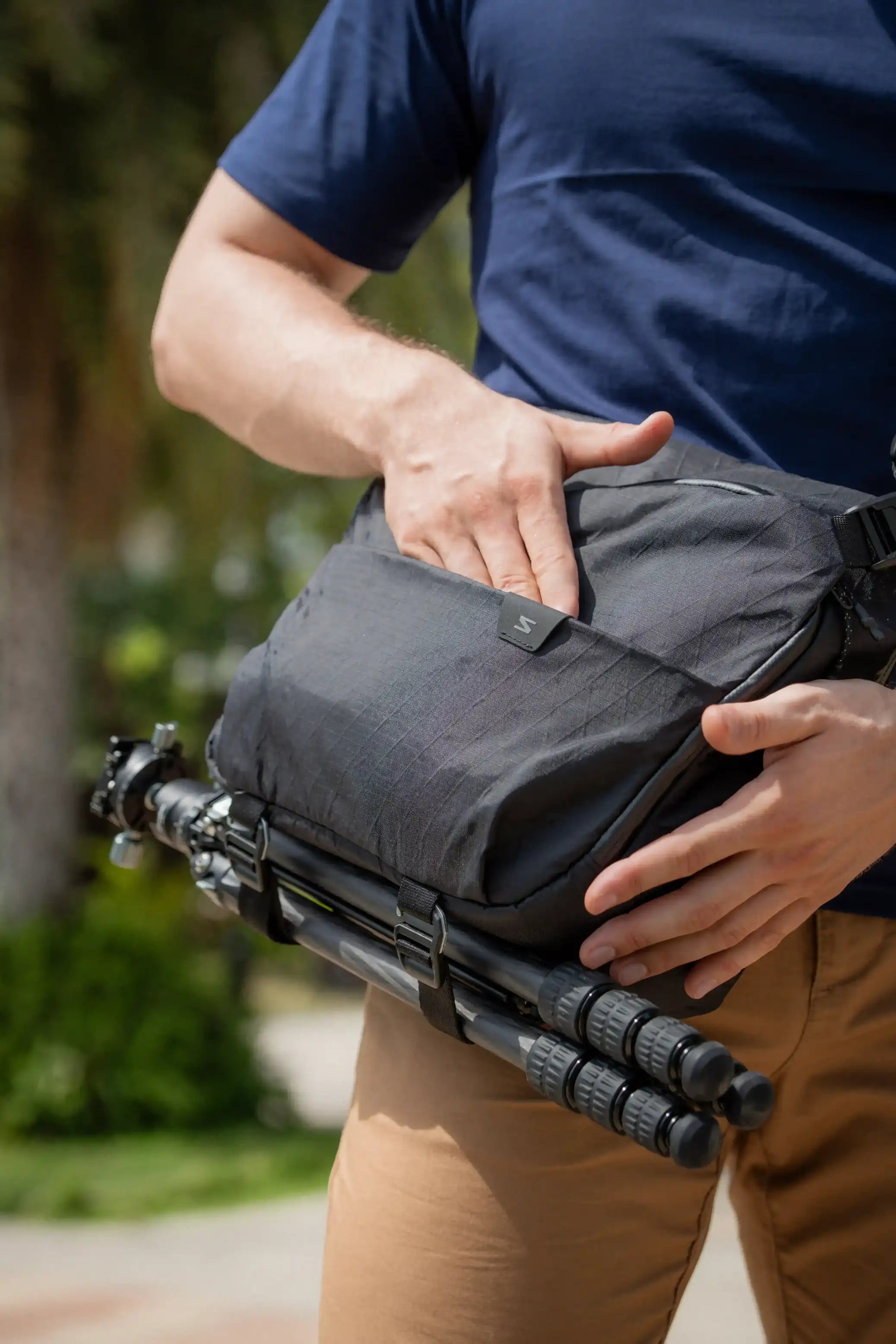
A reliable camera bag is essential for protecting your camera gear and keeping everything organized. It helps shield cameras and lenses from bumps, dust, and light rain while making it easier to carry your equipment safely.
Small slings or compact bags are perfect for photographers on the go. They are lighter than full backpacks and let you access your camera quickly, so you do not miss spontaneous shots. These bags work well for city photography, travel, or any situation where mobility matters.
When selecting a camera bag or sling, look for features such as:
Feature #1: Padded compartments to keep your camera and lenses safe
Feature #2: Weather-resistant material to protect your gear from rain or spills
Feature #3: Smart organization with pockets for batteries, memory cards, chargers, and personal items
Feature #4: Compact, lightweight design for easy carrying without straining your back or shoulder
Feature #5: Quick-access openings so you can grab your camera fast when a shot appears
A good camera bag does more than carry your gear. It makes your workflow smoother, helps you stay ready for action, and ensures your equipment is secure wherever your photography takes you.
If you want to explore how to choose the right camera bag, check out our full guide here.
2. Tripod / Portable Stabilizer
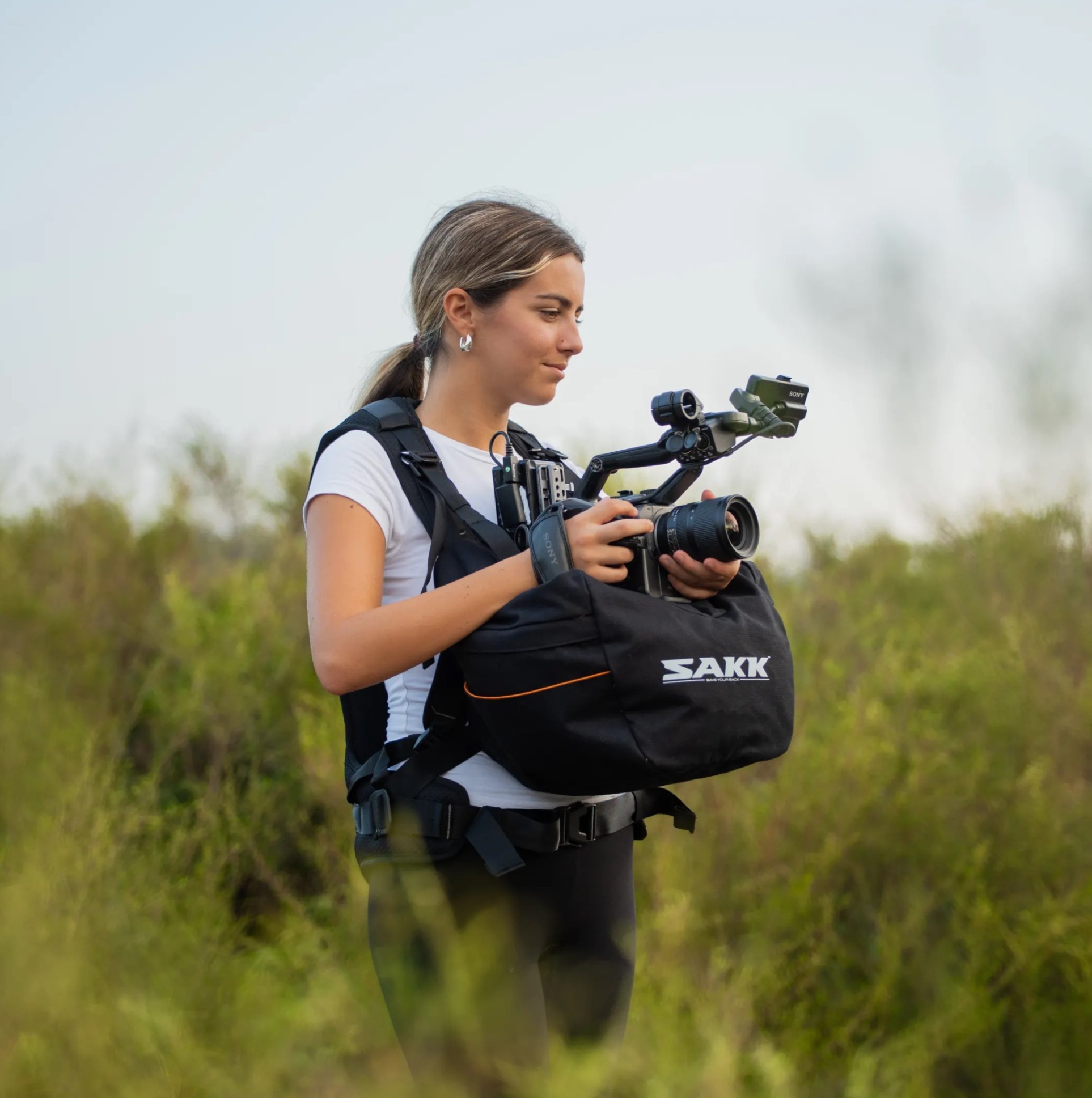
A tripod is essential for getting sharp and steady photos. It keeps your camera still, which is especially important for low-light shots, long exposures, or wide landscape photography. With a tripod, you can use slower shutter speeds without worrying about camera shake.
In addition to tripods, portable stabilizers such as a camera saddle provide flexible support for handheld shooting. They help distribute weight more comfortably and allow photographers to move quickly without fatigue, making them useful for events, street photography, and travel.
A good video tripod or stabilizer setup provides:
-
Stability for sharper and clearer images
-
Versatility for different photography types, including video
-
Comfort, when combined with a saddle for extended shooting
These accessories make it easier to take your photography to the next level while keeping your camera gear safe and manageable.
3. Extra Memory Cards and High-Speed Card Readers
Extra memory cards are essential for uninterrupted shooting, especially when capturing high-resolution photos or recording video. Running out of storage during a shoot can slow you down or cause missed opportunities.
High-speed memory cards and card readers allow faster data transfer, making it easier to back up files and continue shooting without delays.
4. Spare Camera Batteries and External Chargers
Spare camera batteries ensure you can keep shooting without interruption. Carrying at least one fully charged backup battery allows you to swap quickly when power runs low.
For longer shoots or travel, portable power banks and external chargers provide a reliable way to recharge batteries when access to outlets is limited.
5. Lens Protection (Filters & Cases)
Camera lenses are valuable and should be well-protected. Lens filters help prevent scratches, dust, and minor impacts during everyday use while also improving image quality in certain conditions.
A polarizing filter cuts out glare from water or glass and makes colors and skies look better. A Neutral Density (ND) filter gives you power to choose how much light goes in, so you can take long-exposure photos on bright days.
When your lenses are not on the camera, use protective cases or pouches. They have a soft shell to stop bumps, scratches, and dust from getting at your gear. These cases come in different sizes for prime lenses and bigger telephoto lenses. You can easily find space for them in your camera bag.
Get the right lens filters and use good protective cases. This will help keep your camera lenses safe. You will always get clear and sharp pictures, and be ready for anything.
6. Durable Camera Straps and Wrist Straps
Camera straps play an important role in comfort and safety during long shoots. A padded camera strap helps distribute weight evenly across your neck and shoulders, reducing strain over time.
There are also wrist straps for people who like to carry their camera in their hand. A wrist strap keeps the camera from falling and makes it feel safe. A good camera strap lets you think about getting great photos instead of worrying about your gear.
7. Optional / Nice-to-Have Accessories
While not essential, these accessories can improve workflow, lighting control, and overall shooting flexibility.
Some camera accessories can help you when you take pictures. You do not need all of them, but they make things feel simple and help you get better shots.
These tools work with light, keep your camera steady, keep your items neat, and give you a backup. That way, you can give more time to what you want to create.
A. Lighting Solutions (LED Panels and Flashes)
Getting enough light can really change the look of your photos. A camera may have its own flash built in, but an external flash unit lets you have more control and better photos. There are also small LED panels you can use.
They are easy to carry, do not weigh much, and work well for videos or places that do not have much light. With these lights, you can make any place look much better. There will be less darkness and fewer hard shadows to deal with.
B. Remote Shutter Release
A remote shutter release is an easy tool that can help you. It lets you take a photo and you do not have to touch the camera. This stops your pictures from going blurry.
People like to use it for things like long exposure photos, group shots, or selfies. You can pick a wired remote or a wireless remote. It depends on what is best for you.
C. Cleaning Kits
Dust and fingerprints on your lens can mess up what could be a good photo. Putting a small cleaning kit in your bag will help you keep your gear ready to use.
Make sure you have a soft brush with you. A microfiber cloth and an air blower are also good to have. These items help you get dust and dirt off without hurting your camera or lens.
D. Reflectors and Diffusers
Sometimes you just want some help with the light. A reflector bounces light back to your subject. This helps to soften shadows or make some areas brighter.
You can get reflectors in colors like white, silver, or gold. Each color does something different for your photo. A diffuser makes sunlight softer. This works well for faces or taking pictures outside.
These tools do not cost much, are easy to carry, and can make a big change in the way your photos look.
E. Portable External Hard Drives and SSDs
It is very important to back up your photos. A portable hard drive or SSD helps you get your photos off your memory cards. This stops you from running out of space. SSDs work faster.
They last longer, and they are good to use for big shoots or while you travel. With one of these, your photos will be safe no matter where you go.
Organizer Pouches and Cable Holders
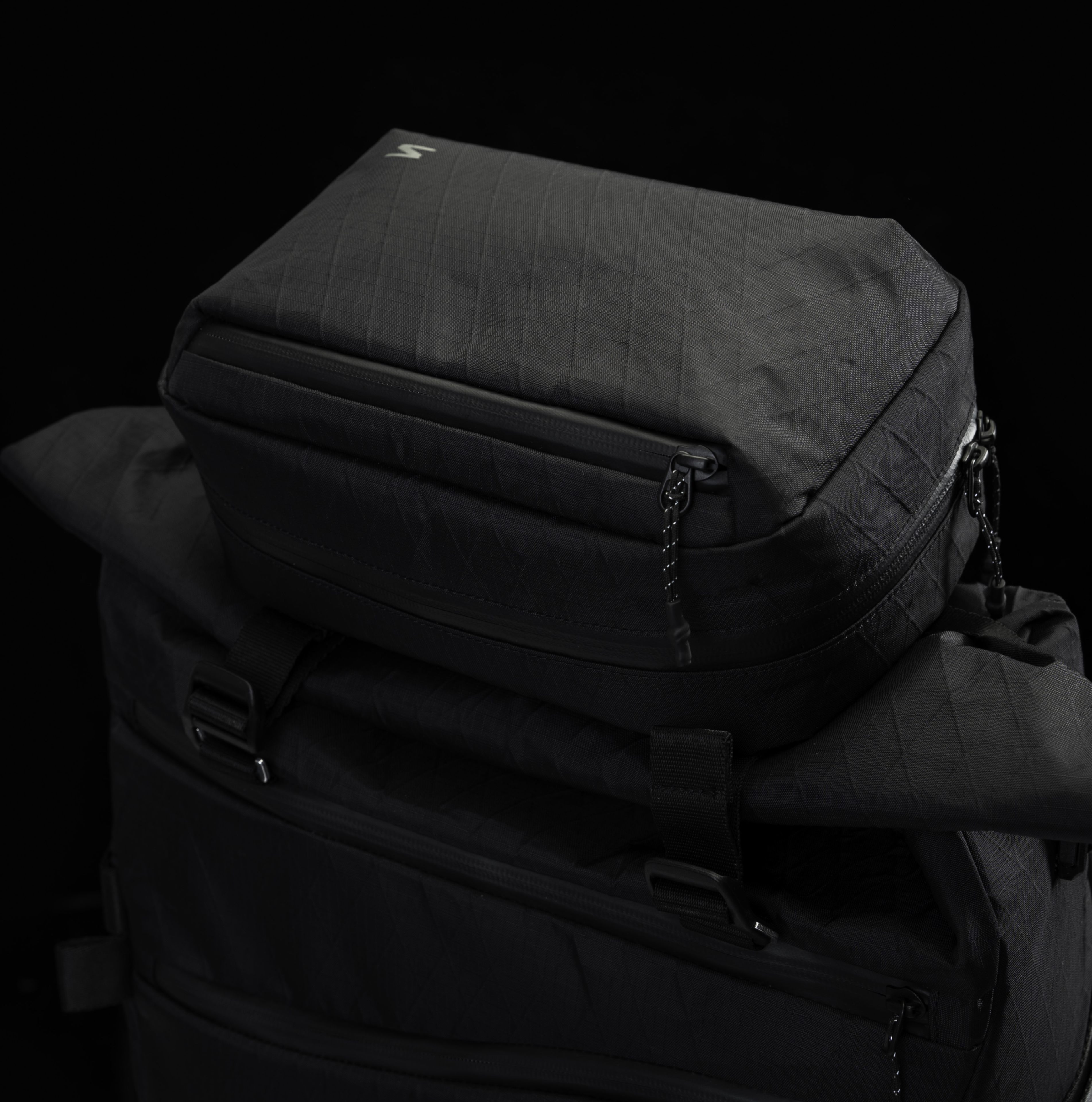
Small items such as batteries, cables, and card readers can get lost if you just toss them in your bag. Organizer pouches and cable holders keep everything in its place.
Some pouches can even be clipped to the outside of your camera bag, giving you quick access to essential items. When you know where everything is, you spend less time searching and more time taking photos.
Conclusion
Having the right photography accessories helps protect your gear, improve organization, and make every shoot more efficient. Essentials such as camera bags, stabilizers, batteries, and memory cards ensure you are prepared for a wide range of shooting situations.
By investing in the right tools, photographers can focus more on creativity and less on managing equipment, allowing them to capture better images with confidence.
Camera bags and organizer pouches keep your equipment safe and help you find things faster while you work. With these important tools, you'll be ready to take photos anytime. If you want to improve your collection, check out our camera gear. They will work well for your creative needs. Enjoy taking pictures!
Share:
What Is a Camera Sling Bag? Your Essential Guide
Why You Need a Water-Resistant Laptop Bag Today